
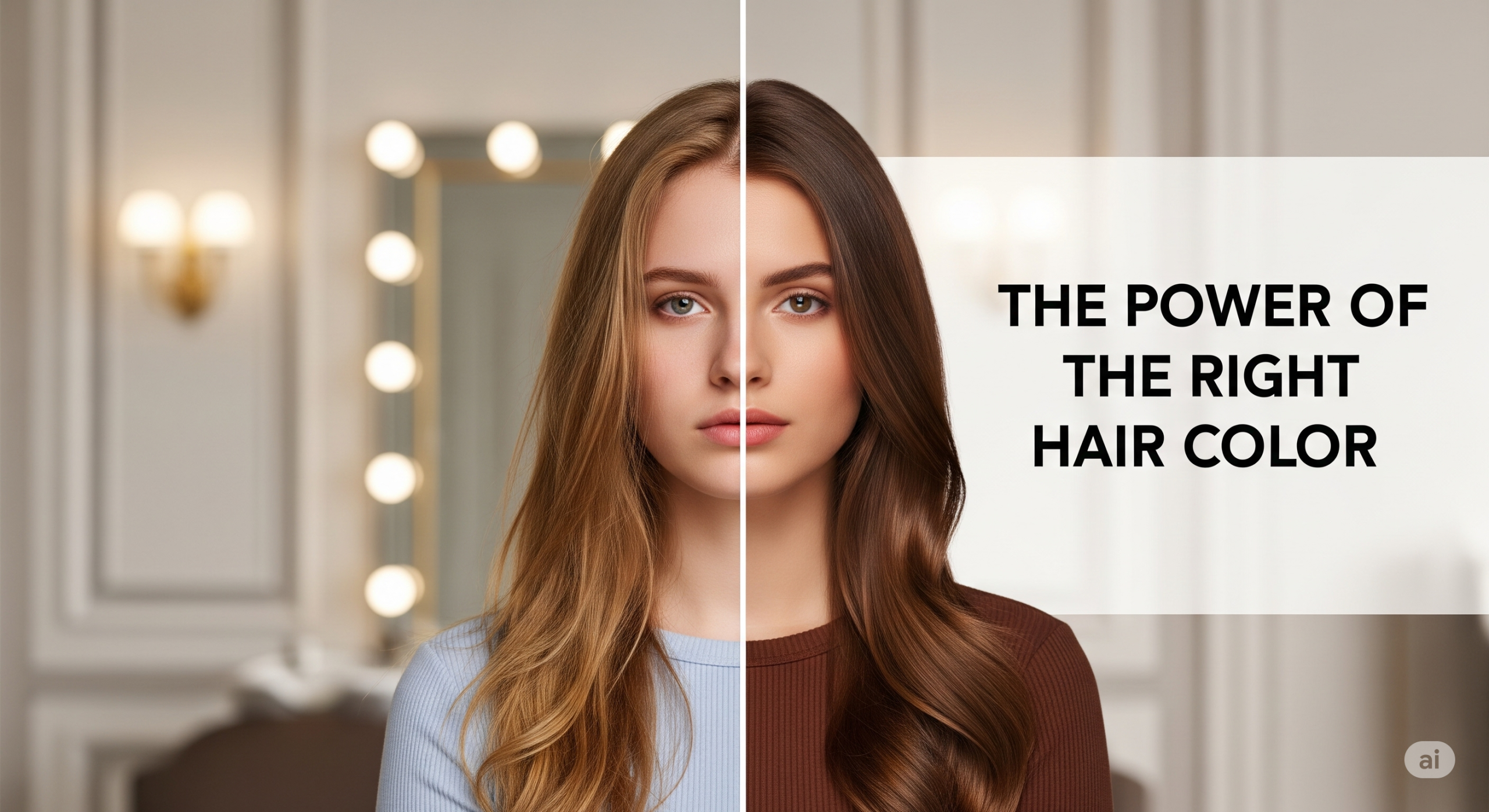




When it comes to color analysis, one of the most impactful choices you can make is finding the right hair color. Hair takes up major “real estate” right next to your face – it frames your features, –if your hair color is off, it can throw off your entire look, no matter how perfect your outfit or makeup. But when your hair color is aligned with your personal palette, the transformation can be remarkable. Suddenly, everything looks balanced and harmonious, and your natural beauty shines through. This is why understanding how to choose the right hair color is so essential.
Why Hair Color Has Such a Big Impact
Hair color is one of the first things people notice, and because it’s so close to your face, it has a powerful influence on your overall appearance. When your hair color is in harmony with your skin tone, it enhances and lifts your natural coloring. However, if your hair color clashes or is too extreme for your natural tones, it can make your complexion look disharmonious. Color analysis for hair can help you discover these subtle yet crucial differences.
Choosing the right hair color is about more than just picking a shade you like. It’s about selecting a color that truly complements your unique features. The right color can smooth out your skin tone, make your eyes sparkle, and create an overall polished, cohesive look. When this color is off, though, it can be hard to feel your best, no matter what else you’re wearing. That’s why people often ask, “What’s the best hair color for your skin tone?”
The Signs of an “Off” Hair Color
When your hair color doesn’t suit you, it’s usually noticeable, even if you can’t quite put your finger on why. Here are some telltale signs that your current hair color may be out of harmony with your palette:
– Your skin looks sallow, tired, or washed out. Incorrect hair color can make skin look dull or even highlight imperfections.
– Your makeup feels “off” or not enough. When your hair color doesn’t match your natural tones, it can throw off your makeup choices too. Often, you’ll feel the need to compensate with more makeup just to look balanced.
– The color seems to overwhelm you. If your hair color is too strong, it can dominate your look, taking the focus away from your natural beauty and making the hair itself the centerpiece.
The Transformation of Finding the Right Color
One of the most rewarding aspects of color analysis is seeing how powerful the right hair color can be. It’s truly transformative. When a client shifts from a color that doesn’t align with their palette to one that does, the difference is remarkable. Skin tone appears healthier, eyes look brighter, and the overall effect is cohesive and polished.
For example, let’s say someone has a cool undertone but has been wearing warm-toned highlights with gold undertones. This warm tone can make their complexion appear more yellow or sallow. When we shift to a cooler, ashy brown or a deep, cool brunette, suddenly their skin looks brighter, and their features come into focus. The color isn’t competing with their natural tones – it’s enhancing them.
Or consider a person with a more delicate, low-contrast look, who’s chosen a dark, intense shade. The strong hair color might overpower their features, making the hair color the main focus rather than their face. Moving to a softer, more nuanced color brings everything into harmony and lets their natural beauty take center stage.
Tips for Choosing the Right Hair Color
Finding the right hair color starts with understanding your color tone and how different shades interact with your natural coloring. Here are some general tips for finding a hair color that brings out the best in you:
1. Work Within Your Palette’s Warm or Cool Tones. If your coloring leans cool, look for ashy or neutral tones in your hair color. Warm undertones often do best with golden, chestnut, or caramel tones that enhance that warmth.
2. Consider Your Chroma (Brightness or Softness). If your palette is naturally bright and clear, your hair color will likely shine with a bit of vibrancy. For softer palettes, subtle shades with less contrast will create a more harmonious look.
3. Match the Depth of Your Natural Coloring. If your natural coloring is light, extremely dark hair may feel overpowering. Similarly, if you have deeper, more dramatic coloring, a color that’s too light might look unbalanced.
4. Don’t Be Afraid of a Change. If you’ve been wearing a certain color for a long time, adjusting to something new may feel like a big step, but it can make a world of difference. When we find the right color, you’ll often find you feel more “you” than ever. This is where expert advice on how to choose the right hair color can be truly life-changing.
How the Right Hair Color Completes Your Look
Once your hair color is in harmony with your skin tone and eye color, everything else falls into place. Your wardrobe, makeup, and accessories will all look more cohesive because they’re no longer competing with an overpowering or clashing hair color. Instead, everything works together seamlessly, creating a polished, put-together look that feels authentically you. By using color analysis for hair, this transformation becomes easier to achieve.
At The Colorworx Studio, seeing clients experience this transformation is one of the most rewarding parts of my work. Whether it’s shifting to a warmer tone, going a shade darker or lighter, or even embracing your natural color in a new way, the right hair color brings a sense of balance and harmony that no other color choice can.If you’re ready to explore a hair color that enhances your unique beauty, let’s work together to find a color that truly complements you. Because when your hair color is right, everything else falls beautifully into place. Let’s find the best hair color for your skin tone today.