




In the world of personal color analysis, there are several methods to help individuals find their best colors, which can enhance their appearance and boost confidence. Two of the most widely discussed methods are the classic 4-season analysis and the more nuanced 12-tone analysis. As someone passionate about helping clients discover their ideal palette, I often explain why the 12-tone color analysis system provides a more personalized and accurate reflection of each individual’s coloring. Let’s explore these two methods and why the 12-tone analysis stands out as a superior approach.
What is 4-Season Color Analysis?
The 4-season color analysis system categorizes individuals into four basic types: Spring, Summer, Autumn, and Winter. This method gained popularity in the 1980s, with each season associated with a range of colors meant to complement the general tones of that seasonal type.
– Spring: Warm, light, and bright colors, think coral, peach, and fresh greens.
– Summer: Cool, light, and soft hues like rose pink, lavender, and pastel blues.
– Autumn: Warm, deep, and muted shades of mustard, olive, rust, and golden brown.
– Winter: Cool, deep, and bright tones, jewel tones like emerald, navy, and cherry red.
The 4-season analysis works by classifying individuals based on broad traits, like cool vs warm undertones and light or deep coloring. However, while it gives a basic idea of which colors might suit someone, it doesn’t capture the unique subtleties of each individual’s coloring. Many people feel they don’t quite fit into just one of the four seasons, which leads to limitations in the 4-season approach.
Why 12-Tone Color Analysis is More Accurate
The 12-tone method takes the 4 seasons and expands them, recognizing that each season has additional variations. By adding three subtypes within each season—Light, True, and Bright for Spring; Light, True, and Soft for Summer; True, Soft, and Dark for Autumn; True, Bright, and Dark for Winter—the 12-tone color analysis method accommodates a broader range of unique coloring patterns and provides a more precise fit. Here’s why this matters:
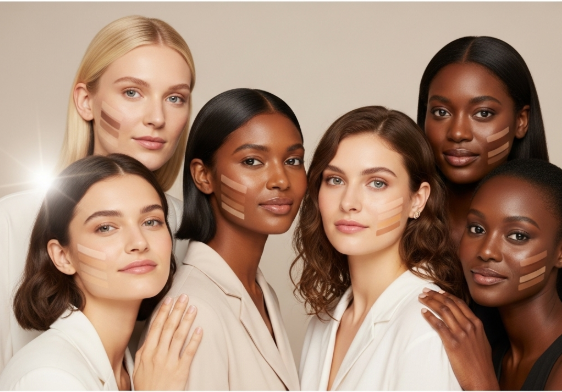
1. Greater Nuance in Skin Tone and Undertones
The 12-tone analysis acknowledges that two people with “warm” undertones may still look different from each other. For example, someone classified as a True Autumn has a rich warmth, but a Soft Autumn has a slightly muted, cooler warmth. By recognizing these subtle differences, the 12-tone method ensures you receive a color palette for your skin tone that precisely aligns with your specific complexion.
2. More Accurate Matching of Depth and Brightness
The 4-season system doesn’t always account for the degree of contrast in a person’s coloring. For example, a Dark Winter has darker and more intense coloring compared to a Bright Winter, who needs highly saturated colors to harmonize with their vibrant look. In the 12-tone method, clients with both depth and brightness are recognized and matched with colors that mirror their own unique contrast.
3. Individualized Brightness Level
One common struggle with the 4-season analysis is that clients may feel either too “washed out” or overwhelmed by their seasonal colors. A Light Summer, for example, will feel lost in the deeper, more intense colors meant for True Summer. With 12-tone analysis, clients’ unique brightness levels—whether they need light, soft, or high-saturation colors—are fine-tuned for a harmonious fit that enhances their natural features.
4. Enhanced Flexibility for Blended Characteristics
Many people have a blend of both cool vs warm undertones, a characteristic the 4-season method often struggles to accommodate. The 12-tone method has categories like Soft Autumn, which blends warm and muted tones with a hint of coolness, or Bright Spring, which mixes warmth with vibrant cool colors. This flexibility provides more choices for clients who don’t fall neatly into one hue, ensuring they feel represented in their palette.
5. Improved Adaptability Across Changing Lighting and Seasons
The 12-tone analysis method adapts more gracefully to various lighting conditions and seasonal changes. A palette created for a specific tone—like a Soft Summer—can handle soft lighting and varied seasonal palettes without looking out of place. This adaptability offers clients practical and aesthetic benefits for real-world settings.
Why The Colorworx Studio Uses the 12-Tone Method
At The Colorworx Studio, I’ve chosen to use the 12-tone method because I believe my clients deserve a personal color analysis that goes beyond broad categorizations. Many clients come to me after feeling dissatisfied with a 4-season analysis that didn’t truly capture their unique look. With the 12-tone approach, I can offer a more individualized and specific analysis that resonates with each client’s personal coloring.
This method has allowed my clients to confidently embrace colors that bring out their natural beauty, often discovering colors they might have overlooked. The joy of watching someone’s face light up when they see themselves in a perfect color match is truly rewarding, and it’s why I stand by the 12-tone method.
The Bottom Line
While the 4-season color analysis method paved the way for personal color analysis, the 12-tone system refines and enhances the process. By providing more nuanced and individualized color options, the 12-tone method gives clients the confidence to step into their best colors with precision.
For those seeking a color analysis that truly captures their unique complexion, the 12-tone method is an investment in self-discovery and confidence. At The Colorworx Studio, my mission is to help you find your color palette that feels like “you” in every sense. When your colors feel authentic, getting dressed becomes an act of self-expression and empowerment, and that’s something everyone deserves.